Your week changes. Your program doesn’t.
Work runs late. Sleep drops. You try to fit four sessions into a week that barely has room for three.
Performance coaching / Serious strength athletes
For experienced lifters whose results no longer match their effort. Individualized programming. Weekly one-to-one coaching. Decisions grounded in your training.
A 30-minute conversation about your training.
The effort is already there
You’ve put years into this. You can push through a hard session. Knowing whether more work is the right call—that’s where it gets harder.
Work runs late. Sleep drops. You try to fit four sessions into a week that barely has room for three.
You miss a lift and spend the drive home questioning the whole block. The frustration follows you through the door.
You want to get stronger, build size and improve conditioning. Everything gets added. Nothing gets taken out.
You can find a reason to change almost anything. The hard part is staying with a plan long enough to learn from it.
Six months / One-to-one coaching
We start with the result you want and the week you actually have. Then we build the program, track the work and make adjustments together.
Training built for your target, experience and schedule. We review performance, technique and recovery before deciding what needs to change.
A written check-in and a weekly call, normally 60 minutes. We review your training, work through the moment that needs attention and agree what you’ll do next.
WhatsApp for training questions, adjustments and the things that come up between calls. Expected reply within one business day.
Six months of coaching with Chris, from your starting assessment to your next 90-day plan.
Set your performance target. Assess your training, recovery and life demands. Find where effort is getting lost before adding more.
Develop a training week you can sustain. Practise returning to the task after a setback, and observe what helps you recover useful focus.
Progress the work. Learn when to hold the plan, when to adjust it and how to follow through when the easier option pulls at you.
Make training more specific to your target. Work on the meaning you give a result—and the next action that interpretation leads you toward.
Prepare for testing or competition. Practise execution, receiving feedback and asking for support. Make the people around you part of a plan that holds.
Test, compete or complete your performance block. Review what changed and leave with your own training and decision rules, plus a next 90-day plan.
This is the working progression. Your sport, starting point and competition calendar shape the timing.
Training history, physical assessment and a baseline of how pressure, recovery and life affect your performance.
A physical and psychological review, with a deeper assessment at three months. Six concise field guides support the work.
Your performance review, practical decision rules and next 90-day plan. Testing or competition-day planning where relevant.
We use specific moments from your week to review each of these separately. What happened? What did you do? Did it help? We also look for the times it didn’t.
Inside the coaching
This is where coaching earns its place. We look at what happened, decide what it calls for and check whether the decision helped.
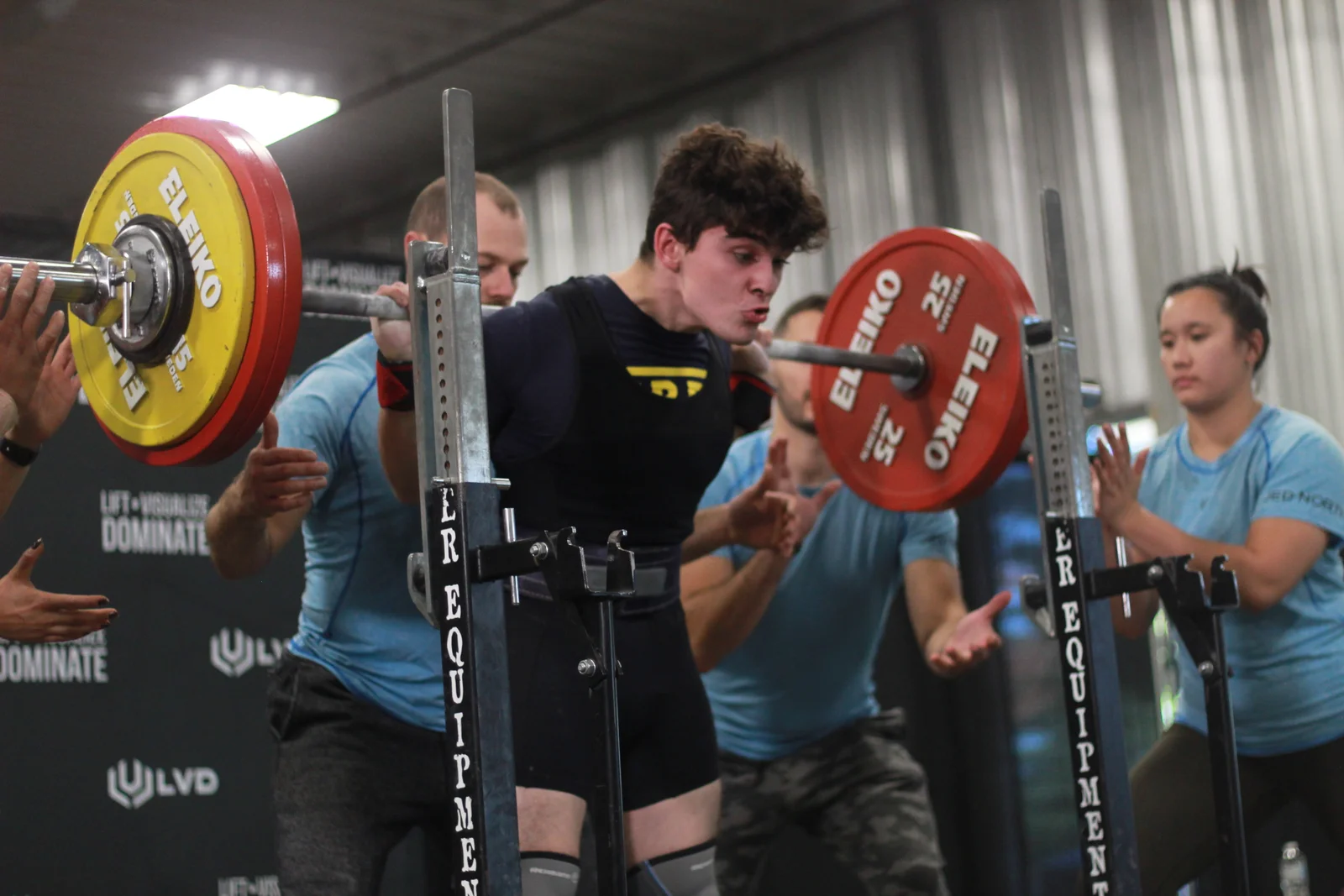
Work runs late twice. Sleep drops. Your first two sessions feel harder than usual. You want to cram the missed work into the weekend.
Missed work isn’t automatically work you owe.
A weight you’ve lifted before won’t move. Now you’re wondering whether the entire block has been a waste.
Understand the miss before you rewrite the program.
You want better conditioning without losing strength. The running goes in, the lifting stays the same, and recovery starts getting squeezed.
Adding a goal means deciding what can give.
The decision depends on your training history, target and recent sessions.
A change has to earn its place. We check what it actually does.

Your coach / Chris
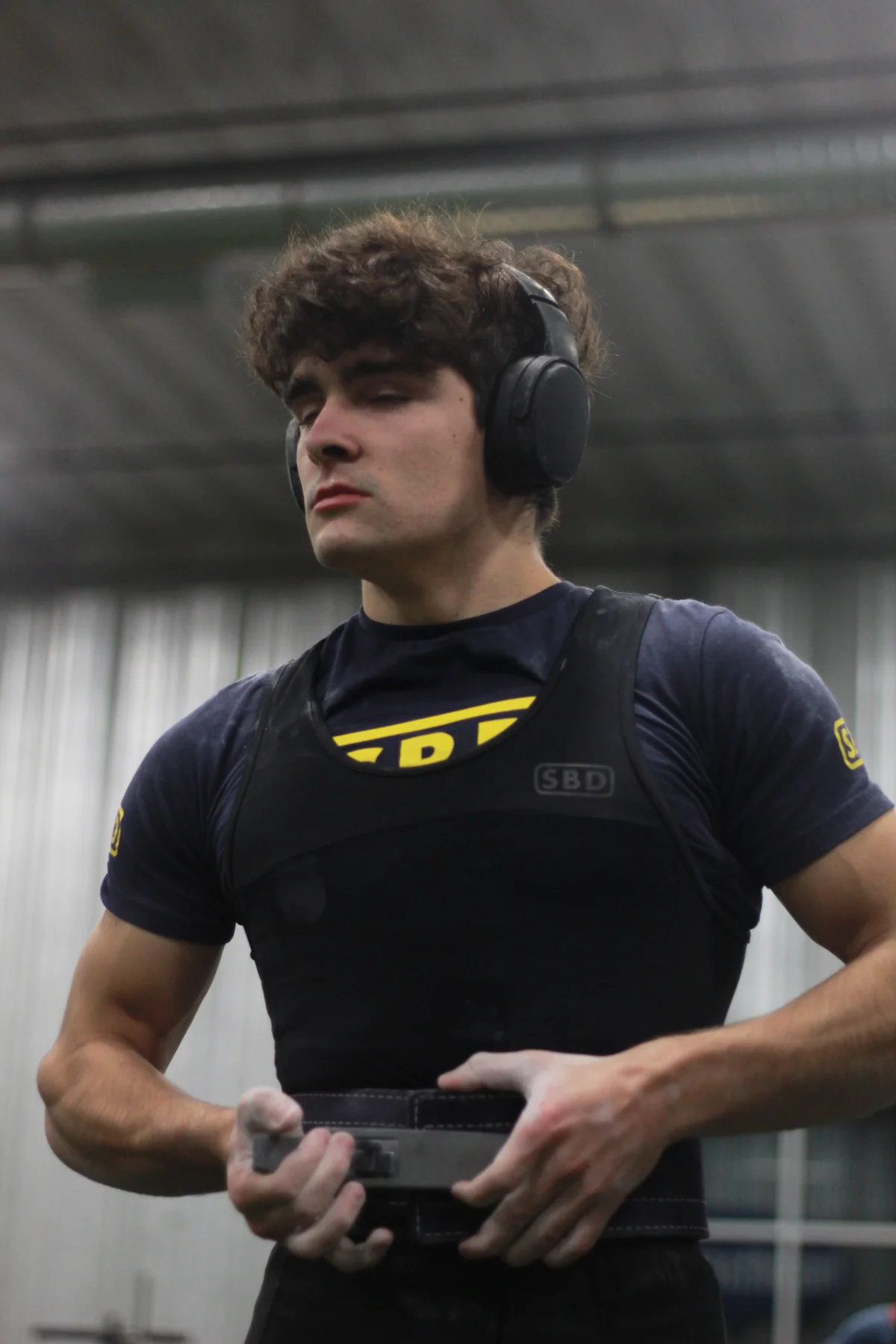
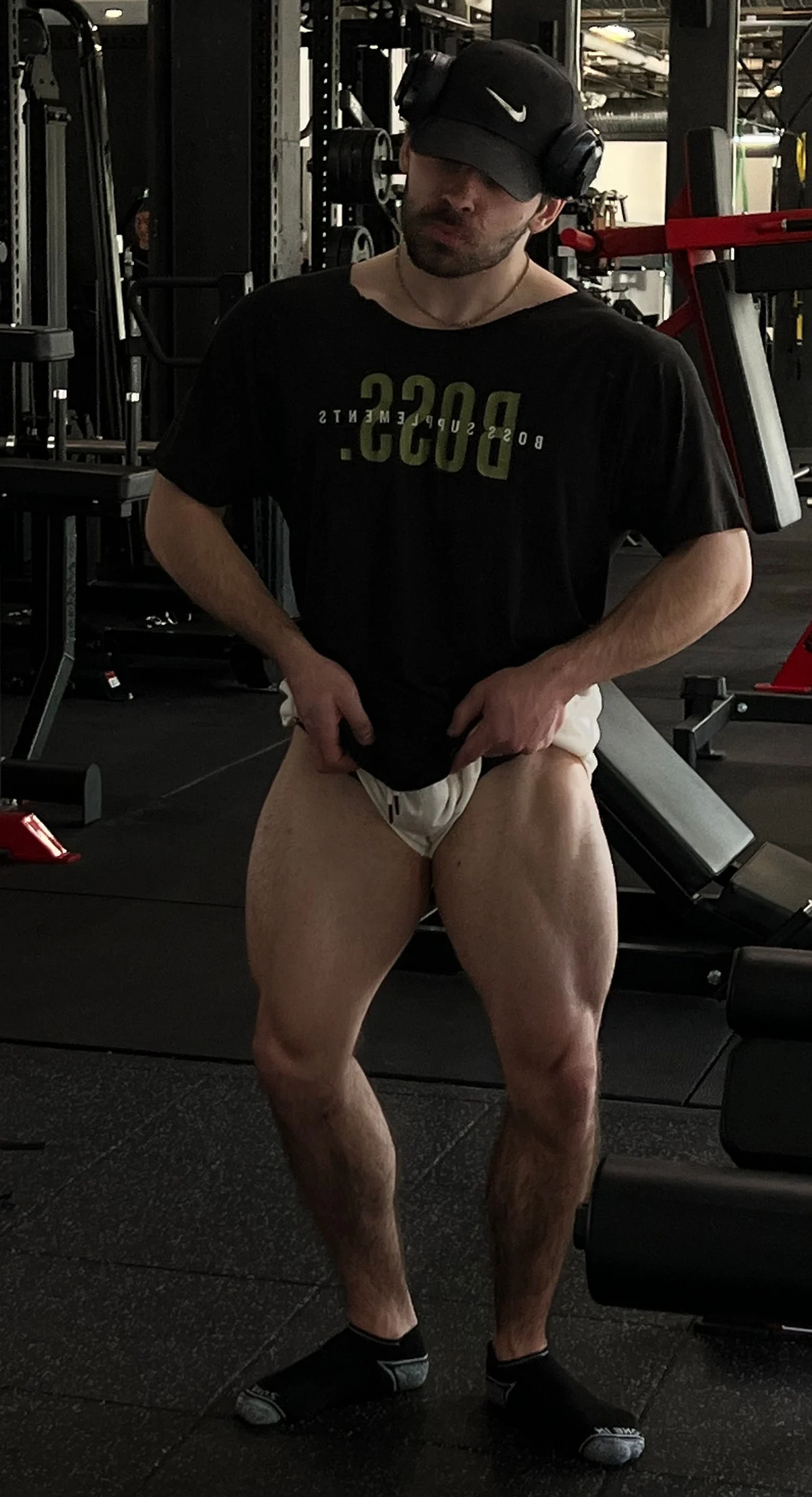
I’ve chased strength and physique development through CrossFit, bodybuilding and powerlifting, and now toward HYROX. Injuries and setbacks forced me to question how much of my self-worth I’d tied to performance.
I still care about getting stronger. I still enjoy the work. As your coach, I want to understand what you’re chasing and what’s getting in the way. We’ll take the training seriously—and look just as closely at how you respond when it doesn’t go to plan.
Who this is for
Tell me what’s working and what still needs attention. This coaching includes your training program, so we’ll clarify who is responsible for what before you commit. You need one clear direction.
Good. We start with a physical target and keep the conversation tied to what happens in your training. A missed lift, a rushed session, a decision you keep putting off. We agree one thing to test, then look at whether it helped.
We account for work, family, travel and recovery when we build the week. You’ll need time for the check-in and weekly call. The changes we agree get tested in your existing training and daily life.
Bring it up as soon as you can. We can plan around travel, review your target and adjust training. Pain, injury or illness may also need a healthcare professional. We’ll cover pause, rescheduling and ending the engagement in the agreement before you start.
We work on training, performance and the way you respond to pressure and setbacks. Coaching does not diagnose or treat mental-health conditions. Needs outside that scope belong with a qualified professional. WhatsApp supports the coaching between calls; it is not live or emergency support.
Start with the audit and use the guide it gives you. If you want to talk, we can discuss whether a focused three-month Performance Foundation would fit. That covers a narrower piece of work.
Your training / A conversation
You’ve put years into getting stronger. If your results no longer match the work, let’s look at the training, the recovery you can actually support and what happens when the plan meets a difficult week.
Integrated Performance Development is six months of individualized training and one-to-one coaching. We’ll use this first call to understand what you’re working toward, what’s getting in the way and whether working together fits.
This carries into your booking notes. You can change it there.
Choose a time with Chris30 minutes. Calendly opens in a new tab. Your audit answers stay here.
Prefer to start by email? Write to Chris.
Want a useful first step? Take the Performance Audit. No email required; your result and field guide are available immediately.
Your first move
Answer seven questions about your last few weeks of training. Get a starting point and a practical guide you can use this week.
7 short questions
No email required
Answers stay in your browser
Choose what sounds most like your experience. This is a reflection tool, not a clinical assessment or validated performance test.
Your selections are held in this page’s memory and clear when you reload. No audit answers or page-view data are sent. What this page collects.
Keep the ambition
You’ve already put years into the work. Take a closer look at what’s holding it back—and what you can do next.
Discuss coaching with Chris